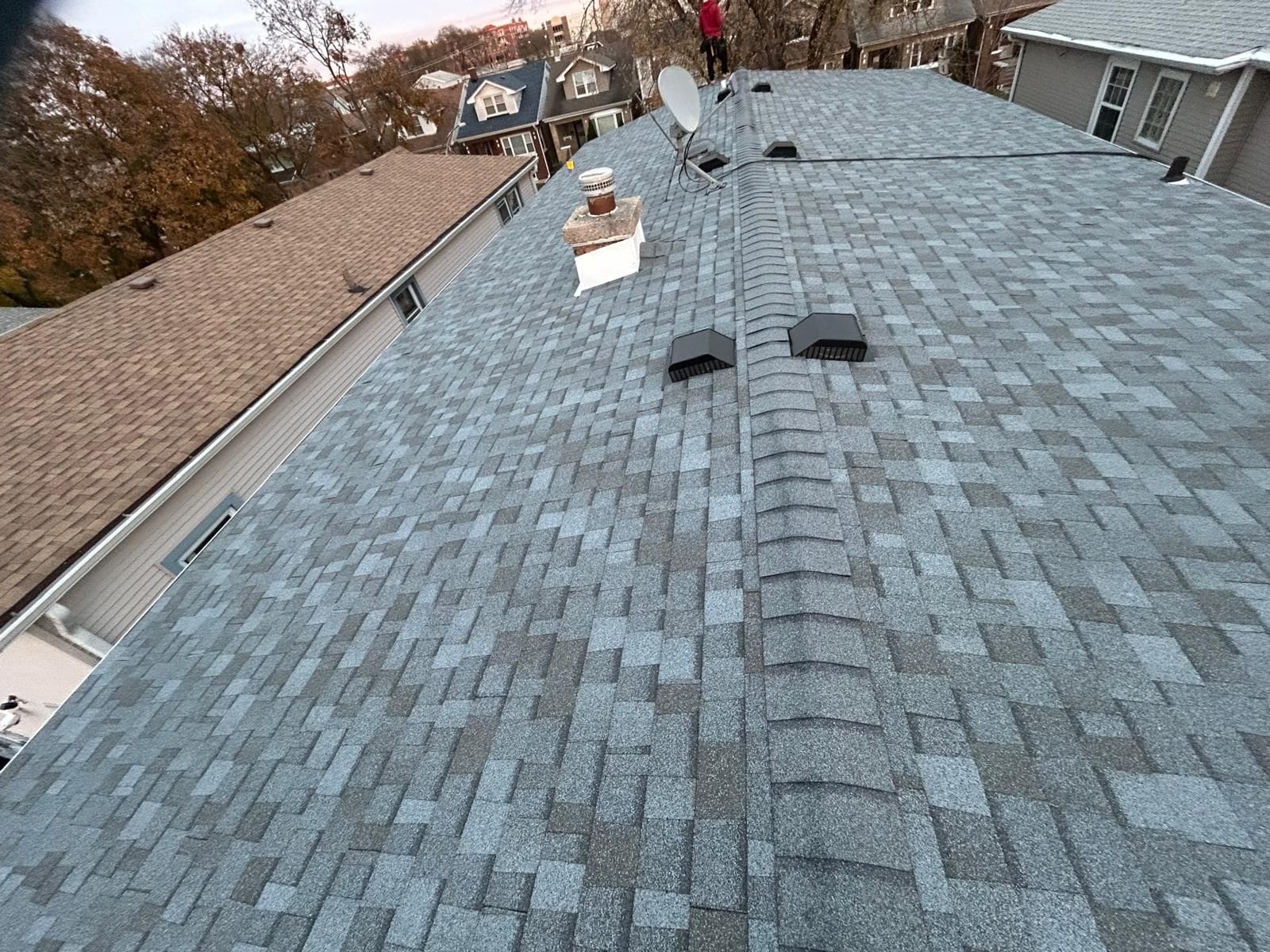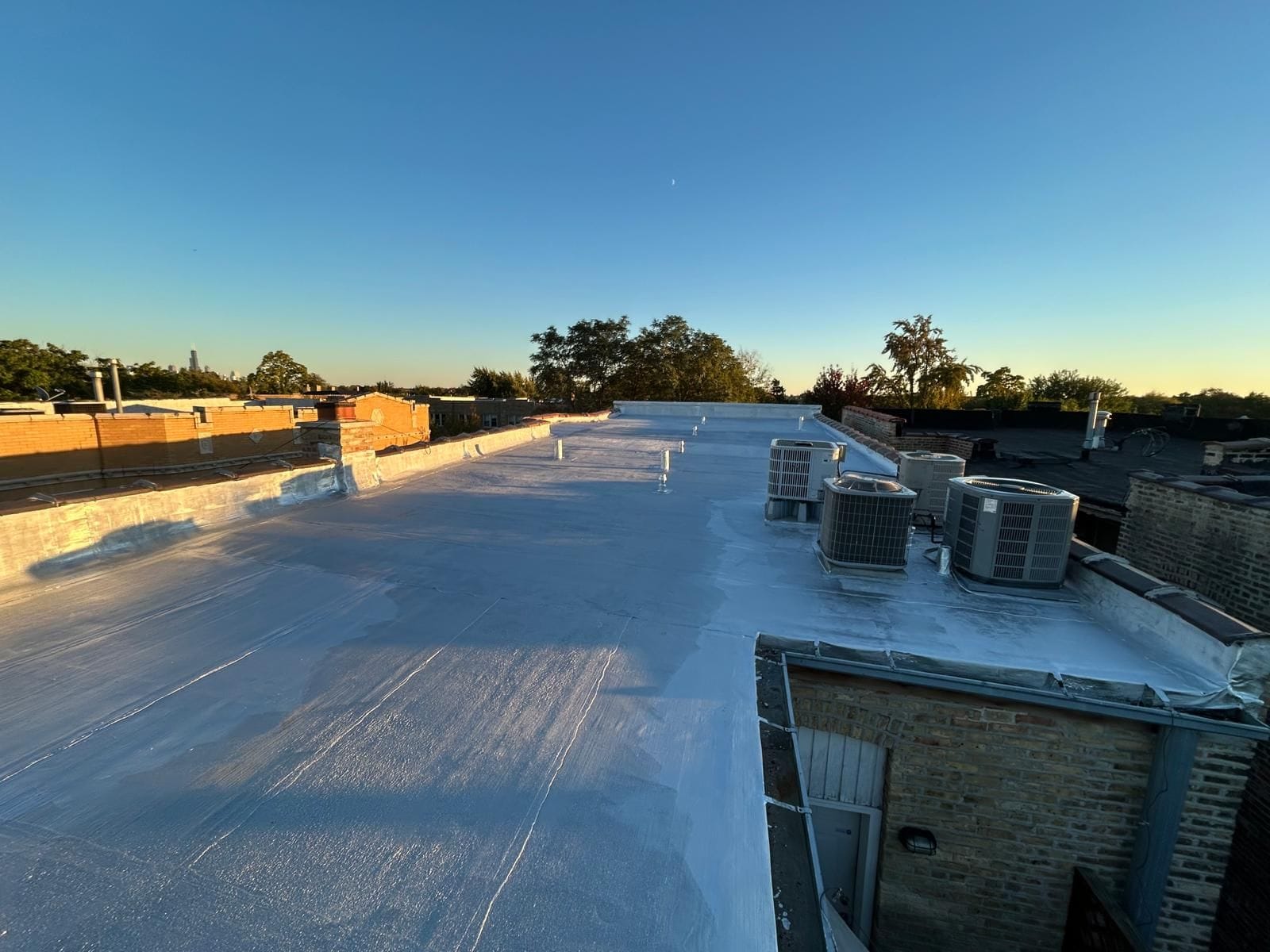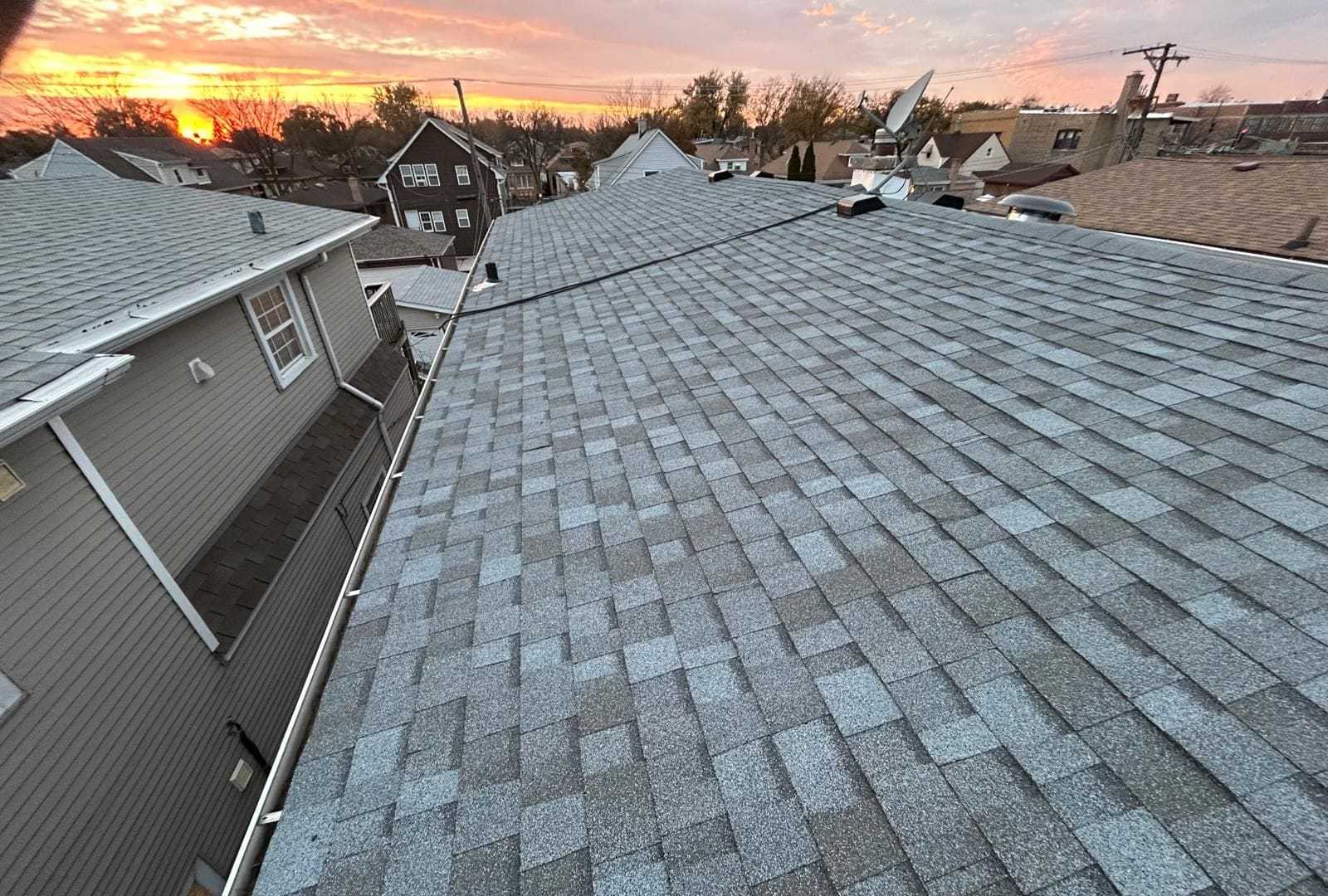

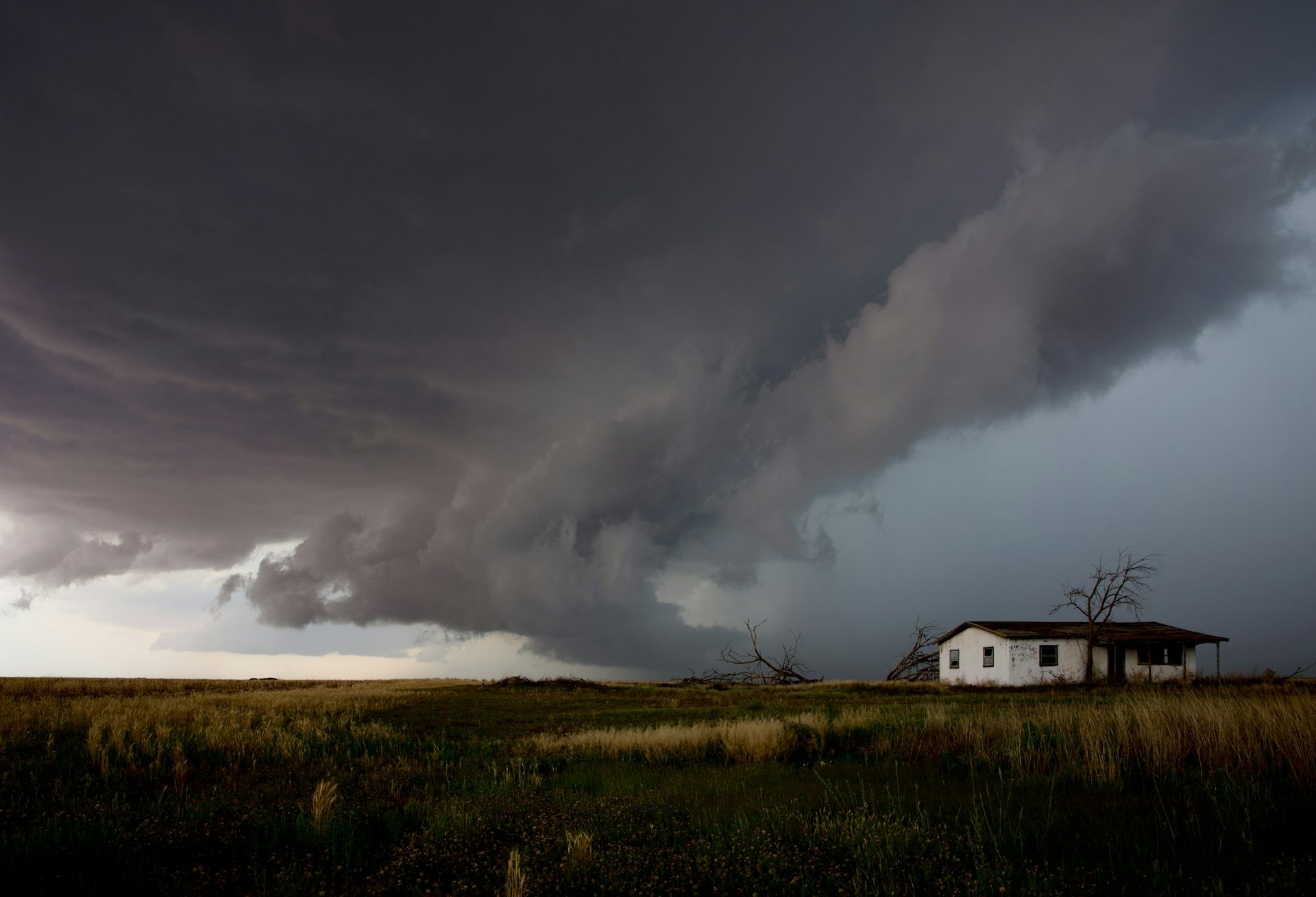
Severe thunderstorms with hail and strong wind are a regular part of spring and summer in the Chicago area. Some damage is obvious, like a branch on the roof. Most is not: bruised shingles, lifted tabs and small dents are hard to see from the ground and may not leak until months later.
1. Stay safe and stay off the roof
Do not climb onto the roof after a storm. Wet shingles are slippery and damage can make the surface unstable. Keep clear of downed lines and call your utility for anything electrical.
2. Check what you can from the ground
- Shingles or pieces of shingle in the yard.
- Dents in gutters, downspouts, vents and window wraps.
- Cracked or holed siding, especially on the side the storm came from.
- Damaged screens, window frames or glass.
- Granules collecting at the bottom of downspouts.
- Water stains on ceilings or in the attic.
3. Photograph everything, with dates
Take photos of any damage you can see, plus a few wide shots of each side of the building. If hail fell, a photo of hailstones next to a coin or ruler helps show their size. Keep the photos together with the date of the storm.
4. Prevent further damage
If water is getting in, move belongings away and catch the water. A temporary cover on a damaged area can limit interior damage. Keep receipts for anything you buy to protect the home.
5. Get an inspection
A storm inspection looks at the accessible roof, siding, gutters and other exterior components up close. We document what we find with dated photos and written observations, and explain it in plain language, including when the damage is minor or not storm-related. Not every storm causes damage, and not every damaged roof needs replacing: many issues can be handled with targeted repairs.
Whether to contact your insurance carrier is your decision. Coverage and claim decisions are made by the insurance company and the parties involved in the claim. We provide construction services and documentation: we do not file, manage or negotiate claims, decide coverage, or pay, waive or rebate deductibles.
6. Be careful with door-to-door offers
After large storms, out-of-area crews often go door to door. Take your time. Ask for a written estimate, a local address and phone number, and references, and check that the contractor holds an Illinois roofing license before any roofing work starts.